A roof problem in New Jersey rarely stays small for long. One loose shingle after a winter wind event can turn into a ceiling stain by the next cold rain. A minor flashing gap around a chimney can quietly soak roof decking for months before anyone notices. And in places like Essex County, where older homes, dense neighborhoods, mature trees, and fast-changing weather all collide, roof repair in NJ isn’t just about patching what you can see.
Learn more: Gikas Roofing New Jersey
We have to think about climate, roof design, material age, ventilation, drainage, and the way seasonal freeze-thaw cycles punish weak spots. That’s especially true for homeowners and commercial property owners in Northern New Jersey who are dealing with slate-era houses converted to asphalt roofs, low-slope additions, flat commercial sections, or complicated valleys and dormers.
In this guide, we’ll break down what makes New Jersey roof repairs different, the problems we see most often, how to tell whether repair is enough, what a professional inspection should include, and what roof repair costs in NJ look like in . We’ll also cover practical repair options for asphalt, flat, and low-slope roofing systems so you can make a smart decision before a manageable issue turns into structural damage, mold, or a full replacement you might have avoided.
Why Roof Repair In NJ Requires A Different Approach
Roof repair in NJ has to account for a lot more than “there’s a leak, fix the leak.” New Jersey roofs deal with four real seasons, coastal weather influence, inland wind events, snow loads, heavy rain, humidity, and dramatic temperature swings. In Northern New Jersey, especially, a roof may go from freezing overnight to thawing in bright afternoon sun, then get hit with rain 24 hours later. That movement expands and contracts shingles, flashing, sealants, and fasteners over and over again.
Housing stock matters too. Essex County and nearby areas have many older homes with multiple additions, steep pitches, dormers, chimneys, skylights, and layered reroof histories. Commercial buildings often have flat or low-slope roof sections that need very different repair methods than standard asphalt shingle systems. A one-size-fits-all approach usually misses the real source of the problem.
That’s why we believe repairs should start with a thorough inspection, not a guess. At a practical level, that means tracing water entry points, checking attic conditions, assessing drainage, and looking for hidden failure areas around penetrations and transitions. On more complex projects, staging and access planning matter as much as the repair itself.
For property owners searching for reliable roof repair in NJ, the goal isn’t just speed. It’s getting a repair that actually holds up through the next storm season, winter cycle, and summer heat wave.
The Most Common Roof Problems New Jersey Property Owners Face
The most common roof issues we see in New Jersey usually fall into a few categories: water intrusion, storm-related damage, age-related wear, and drainage failure. But each one can show up differently depending on the roof type and the age of the building.
On asphalt shingle roofs, missing shingles, lifted tabs, exposed nail heads, granule loss, cracked seal strips, and damaged ridge caps are frequent problems. Sometimes the issue is obvious after a windstorm. Sometimes it isn’t. A roof can look “mostly fine” from the ground while allowing water in around pipe boots, step flashing, or a wall intersection.
Read more: Palisades Park Roofing Roofer
On flat and low-slope roofs, ponding water, membrane punctures, seam separation, blistering, edge detail failure, and clogged drains or scuppers are common. These systems don’t shed water the same way pitched roofs do, so even small drainage problems can shorten the roof’s life quickly.
Then there’s flashing, the unsung troublemaker. Chimneys, skylights, vent pipes, valleys, parapet walls, and roof-to-wall transitions are some of the most leak-prone points on almost any property.
We also see issues tied to deferred maintenance. Gutters packed with debris, tree branches rubbing the roof surface, moss growth in shaded areas, and poorly executed prior repairs can all accelerate damage. In older Northern New Jersey homes, it’s not unusual for one leak complaint to uncover several overlapping roof problems.
How To Tell If Your Roof Needs Repair Or Full Replacement
One of the biggest questions property owners ask is simple: can this be repaired, or are we at replacement territory? The answer depends on condition, age, material type, and whether the damage is isolated or systemic.
If the problem is limited, a section of storm damage, localized flashing failure, a small membrane puncture, or a leak tied to one vulnerable area, repair is often the most cost-effective move. But when deterioration is widespread, repairs can become temporary bandages on a roof system that’s already near the end of its service life.
A solid inspection should look beyond the visible leak. We want to know whether the issue is singular or part of a larger pattern. Are shingles brittle across multiple slopes? Is the roof deck soft? Are there repeated leak points at transitions? Has the roof already been patched several times? On flat roofs, are seams failing in multiple sections or is water consistently ponding because the system has aged out?
For many NJ properties, the right answer is not at the extremes. Sometimes a targeted repair buys several more years. Sometimes partial replacement of one section makes sense. And sometimes full replacement is the more economical decision once you factor in repeat labor, interior risk, and the likelihood of ongoing water intrusion.
Warning Signs Inside And Outside The Property
Interior warning signs often show up before people notice obvious exterior damage. Brown ceiling stains, bubbling paint, peeling plaster, attic dampness, musty odors, wet insulation, or mold near upper walls can all point to a roof leak. Commercial buildings may show water spots around rooftop units, ceiling grid staining, or persistent moisture near parapet walls.
Read more: Paramus Roofing Roofer
Outside, we look for missing or creased shingles, dark patches where granules have worn away, sagging sections, displaced flashing, damaged vents, clogged gutters, and visible wear around chimneys or skylights. On flat roofs, standing water more than 48 hours after rainfall is a red flag.
One important note: the leak location inside doesn’t always line up with the entry point above. Water travels. That’s why quick visual guesses from indoors alone can be misleading.
Age, Material Type, And Extent Of Damage
Age matters, but it isn’t the whole story. An asphalt roof in NJ may still be repairable at 12 or 15 years if the system was installed well and ventilation is decent. Another roof may be failing earlier because of poor workmanship, storm exposure, or chronic ice damming.
Material type changes the decision too. Architectural asphalt shingles can sometimes be repaired effectively if matching materials are available and the surrounding roof field is still sound. Flat roofing membranes may allow localized patching or seam repair when the rest of the membrane remains intact. But if there’s widespread shrinkage, saturation, or substrate damage, replacement becomes more likely.
We also weigh the extent of damage. If one area failed because of a branch strike, that’s very different from seeing broad granule loss, repeated leaks, and deteriorated flashing across the whole roof. In general, isolated damage points to repair. System-wide wear points to replacement.
What Causes Roof Damage In Essex County And Northern New Jersey
Essex County roofs have a hard job. The region combines older architecture, dense tree cover, harsh winter conditions, humid summers, and a steady mix of wind-driven rain events. That means many roof failures aren’t caused by one dramatic moment, they build over time as weather stress and design vulnerabilities stack up.
A home in Montclair, Glen Ridge, Maplewood, or Newark may have original structural quirks, multiple reroof cycles, a rear addition with a low-slope section, and several roof penetrations added over the decades. Every transition adds risk. Commercial properties face their own version of this problem: large exposed roof areas, HVAC penetrations, drainage bottlenecks, and membrane wear amplified by UV exposure and pooled water.
The result is that roof damage in Northern New Jersey often comes from a combination of climate and construction details. If we only blame the weather, we miss the weak flashing. If we only blame age, we miss the drainage issue. Good roof diagnostics connect both.
Ice Dams, Wind, Heavy Rain, And Seasonal Temperature Swings
Winter is a major stress test for New Jersey roofing systems. Ice dams form when heat escaping from the home warms the upper roof surface, melting snow that later refreezes at the colder eaves. That trapped ice can force water up beneath shingles, especially on older roofs with marginal underlayment or ventilation problems.
Wind is another big factor. Strong gusts can lift shingle edges, break adhesive seals, loosen ridge caps, and expose nails. Once that protective bond is broken, future storms can peel back more material.
Heavy rain reveals drainage weaknesses fast. If gutters overflow, valleys are obstructed, or flat roof drains are slow, water starts finding alternate paths. Add in freeze-thaw cycles, and tiny openings become larger ones as materials expand and contract repeatedly.
Read more: PROJECTS
And that cycle is relentless in Northern New Jersey. It’s not just snow, not just rain, not just heat, it’s all of them, in rotation.
Older Homes, Complex Rooflines, And Flashing Failures
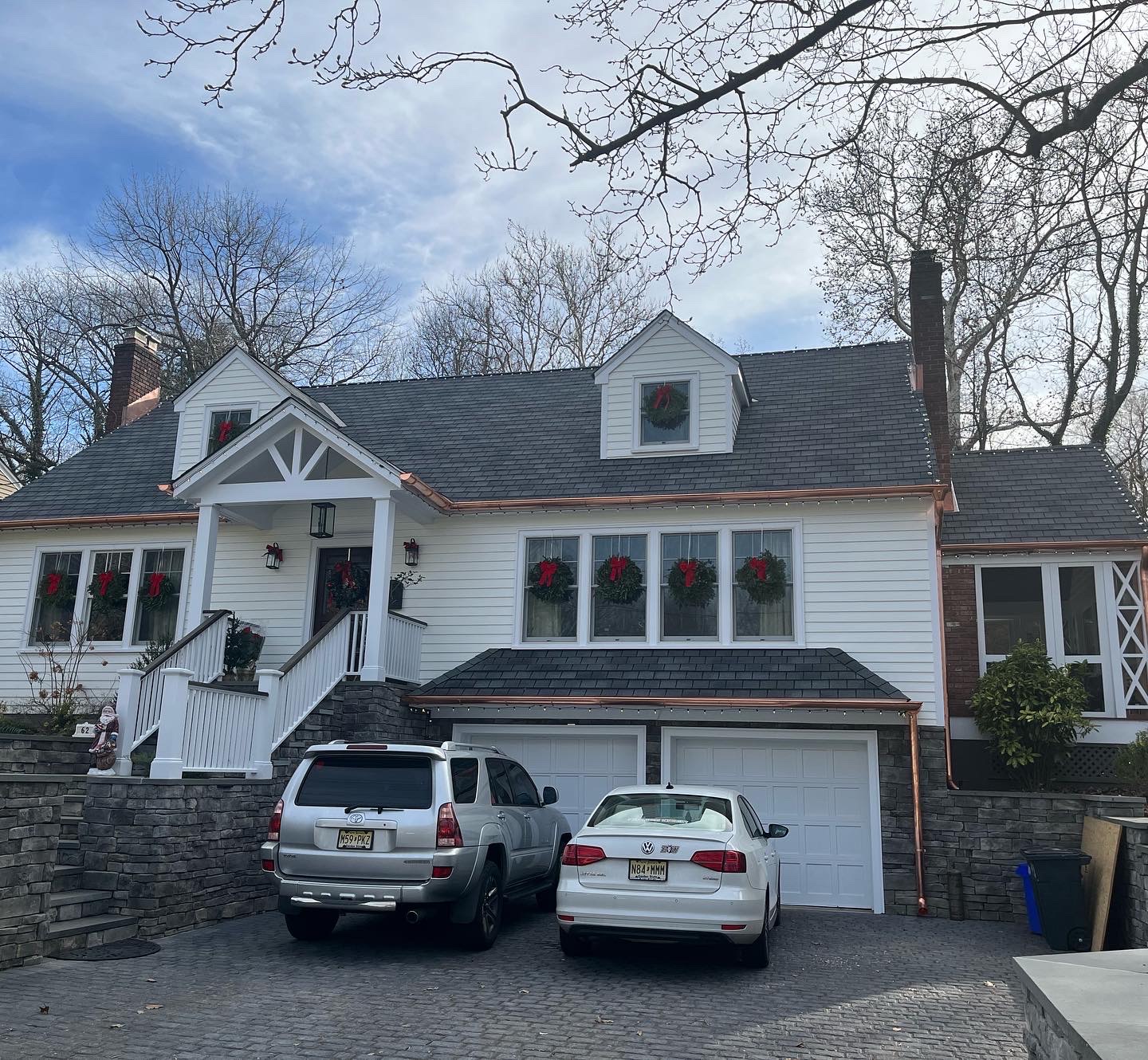
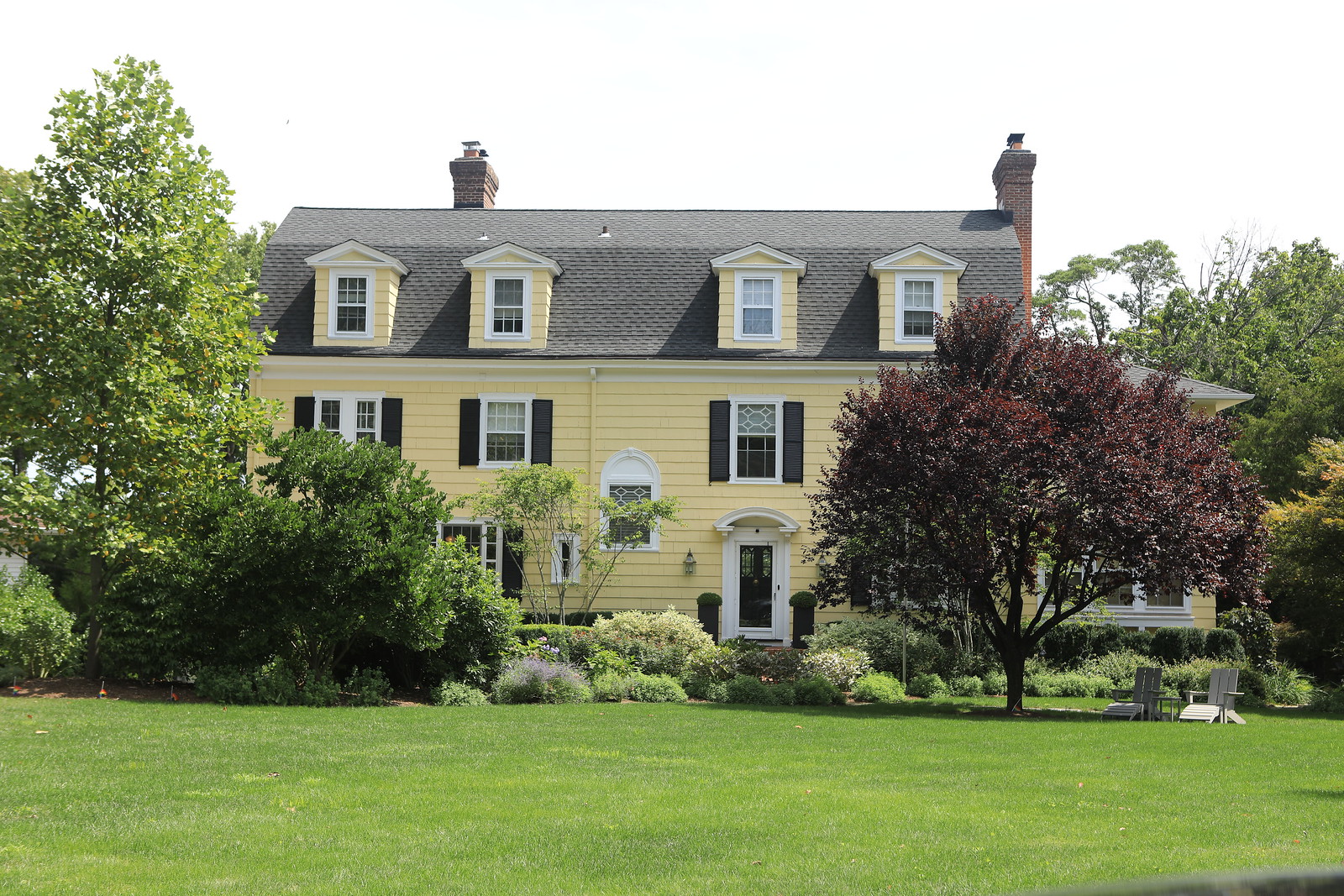
Many Essex County properties are beautiful, and challenging. Older homes often have steep slopes, intersecting gables, dormers, chimneys, masonry transitions, and additions built in different eras. These rooflines create more valleys, more joints, and more flashing details, which means more potential failure points.
Flashing failures are especially common because flashing sits at the exact places where roofing materials stop being simple. Around chimneys, sidewalls, skylights, and vent penetrations, the installation quality matters enormously. A rushed repair with too much caulk and not enough proper metal detailing may hold briefly, then fail once weather shifts.
We also see problems where old and newer materials meet. A newer shingle section tied into aging masonry flashing, for example, can become a leak point even if the shingles themselves are fine.
Complex rooflines aren’t bad, but they demand more precise inspection and more careful repair work than straightforward roofs do.
What To Expect During A Professional Roof Repair Inspection
A professional roof repair inspection should do more than confirm that “yes, there’s damage.” It should explain what failed, why it failed, how far the problem extends, and whether a repair is likely to be durable.
We start with the obvious areas: shingles or membrane condition, flashing, roof penetrations, ridges, valleys, drainage components, and visible storm damage. But the better part of the inspection often happens where property owners don’t naturally look, inside the attic, at decking condition, around ventilation pathways, and at moisture patterns near transitions and penetrations.
On older homes and complex rooflines, access and staging matter. A proper inspection may involve documenting multiple elevations, rear additions, low-slope tie-ins, or hidden problem spots behind chimneys and dormers. On commercial and mixed-use properties, it often includes drains, scuppers, rooftop equipment curbs, seams, and edge metal.
You should expect clear documentation, not vague language. Ideally, the roofer explains whether the issue is isolated or widespread, what repair options are realistic, and what the limitations are. If a roof is repairable but nearing the end of its service life, that should be said plainly.
Read more: RESIDENTIAL ROOFING
At Gikas Roofing, this kind of thorough pre-project inspection is a core part of the process because guessing is expensive. Written scope, staging flexibility, and clear expectations help property owners understand what’s being fixed now, and what may need attention next. That’s especially valuable in Northern New Jersey, where roofs often have more going on than one visible leak suggests.
Common Roof Repair Solutions For Asphalt, Flat, And Low-Slope Roofs
The right repair depends on the roof system, the age of the materials, and the actual source of failure. “Patch it” is not a real strategy unless the patch matches the problem.
For asphalt shingle roofs, common repairs include replacing missing or wind-damaged shingles, resecuring lifted sections, installing new pipe boots, repairing or replacing flashing, sealing exposed fasteners where appropriate, and addressing ridge vent or ridge cap damage. Valley repairs are also common on older homes, especially where debris buildup or aging metal details have compromised water flow.
On flat and low-slope roofs, repairs often involve membrane patching, seam reinforcement, flashing detail repairs, drain-area corrections, edge detail work, and coating-compatible restoration in select cases. If ponding water is involved, the solution may need to address slope or drainage, not just the visible leak spot.
For both residential and commercial properties, flashing repair is one of the most important categories. Chimney flashing, counterflashing, parapet details, skylight curbs, and roof-to-wall transitions routinely cause leaks when they age, separate, or were installed poorly in the first place.
Good repairs also account for surrounding conditions. If tree limbs are abrading shingles, if gutters are contributing to overflow, or if attic ventilation is creating winter moisture and ice dam risk, those factors should be corrected too. Otherwise, the roof may keep failing for reasons that a surface repair alone won’t solve.
How Much Roof Repair Costs In NJ In
Roof repair costs in NJ in vary widely because “roof repair” can mean anything from replacing a few shingles to rebuilding a failed transition on a complex older home. Still, some useful ranges help set expectations.
For minor asphalt shingle repairs, such as replacing a small section of wind-damaged shingles, resealing flashing details, or addressing a basic vent boot problem, many homeowners will see costs starting in the few-hundred-dollar range and moving upward depending on access, pitch, and materials. More involved repairs involving valleys, chimney flashing, decking replacement, or multiple leak points can move into the $1,000 to $3,500+ range fairly quickly.
Flat and low-slope roof repairs often cost more per repair visit because leak tracing is harder, materials are more specialized, and detail work around drains, seams, and penetrations can be labor-intensive. Commercial properties may also face added costs for access, safety setup, and staging.
Read more: Ridgefield Park Roofing Roofer
Several factors drive price in Northern New Jersey:
- Roof complexity: dormers, steep slopes, multiple levels, chimneys, and tight access all add labor.
- Extent of hidden damage: wet decking, insulation saturation, or structural repairs increase scope.
- Material matching: older or discontinued shingle profiles can complicate spot repairs.
- Emergency timing: urgent leak response during storms often costs more.
- Repair durability: a proper long-term repair usually costs more than a short-term patch, and is often worth it.
The smartest move is to compare repair cost against remaining roof life. A lower estimate isn’t always the better value if the work doesn’t address the real failure point or if the roof is close to needing replacement anyway.
Conclusion
Roof repair in NJ is rarely just about fixing what’s visible today. In Essex County and across Northern New Jersey, roofs fail because weather stress, aging materials, drainage problems, and complex design details interact over time. That’s why the most effective repair starts with diagnosis, not guesswork.
If you’re seeing ceiling stains, missing shingles, recurring leaks, ponding water, or flashing problems, early action matters. A targeted repair done at the right time can prevent deck rot, insulation damage, mold growth, interior repairs, and avoidable replacement costs.
For homeowners and commercial property owners alike, the key is choosing a roofer who understands local housing stock, local weather, and the difference between a quick patch and a repair that will actually hold. When inspections are thorough, scope is clear, and solutions are tailored to the roof in front of us, roof repair becomes a smart investment, not a recurring headache.
Key Takeaways
- Roof repair in NJ requires a thorough inspection due to the state’s intense seasonal weather and complex roof designs common in areas like Essex County.
- Common roof issues include water intrusion, storm damage, age-related wear, and drainage failure, especially on asphalt, flat, and low-slope roofs.
- Early roof repair can prevent structural damage, mold growth, and costly full replacements by addressing leaks and flashing failures before they worsen.
- Professional inspections must assess both visible and hidden damage, attic conditions, ventilation, and drainage to determine whether repair or replacement is appropriate.
- Roof repair costs vary based on damage extent, roof complexity, and materials, but investing in durable repairs often provides better value than quick fixes.
- Choosing a roofer familiar with NJ’s local climate, housing stock, and detailed repairs ensures effective roof repair that withstands future weather challenges.
Roof Repair FAQs for New Jersey Homeowners
What makes roof repair in NJ different from other states?
Roof repair in NJ must consider four seasons, coastal weather, and rapid temperature changes that cause shingles and flashing to expand and contract, especially on older homes with complex rooflines. These factors require thorough inspections and tailored repair strategies.
How can I tell if my roof needs repair or full replacement in NJ?
If damage is localized, like a few missing shingles or a small leak, repair is often sufficient. But widespread wear, brittle shingles, soft decking, and repeated leaks suggest replacement might be more cost-effective and durable.
What are common roof problems faced by NJ property owners?
Common issues include shingle damage from wind, flashing failures around chimneys and skylights, ponding water on flat roofs, clogged gutters, moss growth, and damage from freeze-thaw cycles prevalent in NJ’s climate.
What should a professional roof repair inspection in NJ include?
A thorough inspection covers visible damage, attic and decking conditions, drainage assessment, flashing integrity, and looks for hidden leaks or moisture, especially in complex or older roofs common in New Jersey.
How much does roof repair typically cost in New Jersey in ?
Minor repairs like replacing a few shingles or sealing flashing often start in the low hundreds. More complex repairs on valleys, multiple leaks, or flat roofs can range from $1,000 to $3,500 or more, depending on roof complexity and damage extent.
What are some best practices to maintain roofs in NJ’s harsh climate?
Regular inspections, prompt repairs of minor leaks, clearing gutters and debris, trimming overhanging tree branches, and addressing ventilation issues help prevent damage from ice dams, heavy rain, and temperature swings typical in New Jersey.
Read More:
- sexymagazino.gr
- ANT1 FM: Πώς Χτίζεται η Εμπιστοσύνη Αναγνωστών – Sexy Magazino
- CRM Strategy ως Πυλώνας Digital Marketing: Πώς να Επιλέξετε, να Υλοποιήσετε και να Διοικήσετε το CRM σας – Sexy Magazino
- Σύμβουλος SEO Premium Content: Στρατηγική για High-End Brands – Sexy Magazino
- Κατασκευή Ιστοσελίδας Marketplace: Πώς να Φτιάξετε Multi-Vendor Πλατφόρμα τύπου Skroutz – Sexy Magazino
- Συμβουλές SEO Premium Content: Στρατηγική για High-End Brands – Sexy Magazino
About the Author